Inside the Land of the Wooden Stills
When it comes to heavy, richly flavoured, historically significant rum, few places on earth can match Guyana. Essentially, the entire story of Guyanese rum traces back to a single waterway: the Demerara River, a name that eventually became synonymous with a distinctive style of rum recognised and respected across the globe. So, let’s take a relaxed journey through one of the Caribbean’s most fascinating rum-producing nations, exploring how a handful of surviving wooden stills came to define an entire country’s distilling identity.
The Demerara River: Where Guyanese Rum Began
Back in the 17th and 18th centuries, Dutch colonists arrived along Guyana’s coastline and set about building an astonishingly intricate network of canals and dykes. Because the coastal plains sat low, fertile, and prone to regular flooding, this engineering effort proved absolutely essential for turning the land into viable sugar territory. Once the canal system took shape, sugarcane cultivation flourished across the region, and plantations sprang up all along the riverbanks.
At its height, the industry supported hundreds of individual sugar estates, and remarkably, each one operated its own small, self-contained distillery. Consequently, every estate produced its own distinct style, or “marque,” of rum, shaped by its particular still, yeast strain, and fermentation approach. This meant Guyana, in its colonial heyday, hosted an extraordinary diversity of rum styles all coexisting within a relatively small geographic area, each estate quietly perfecting its own signature character.
From Hundreds of Estates to One Legendary Survivor
Naturally, industries evolve, and over the following centuries, Guyana’s sugar sector gradually consolidated. As larger operations absorbed smaller ones, those hundreds of individual distilleries slowly began closing their doors one by one. However, rather than scrapping the valuable, often centuries-old distilling equipment, the surviving companies made a genuinely wise decision: they carefully preserved the historic stills and relocated them to new, consolidated facilities.
As a result, an incredible amount of distilling heritage, equipment that might otherwise have vanished entirely, ended up concentrated in a single remarkable location. Today, Guyanese rum carries a reputation for its deep, oily, fruity, and robust character, a profile driven directly by the region’s distinctive Demerara molasses combined with those legendary wooden stills that somehow survived against all odds.
Demerara Distillers Limited: Guyana’s Living Rum Museum
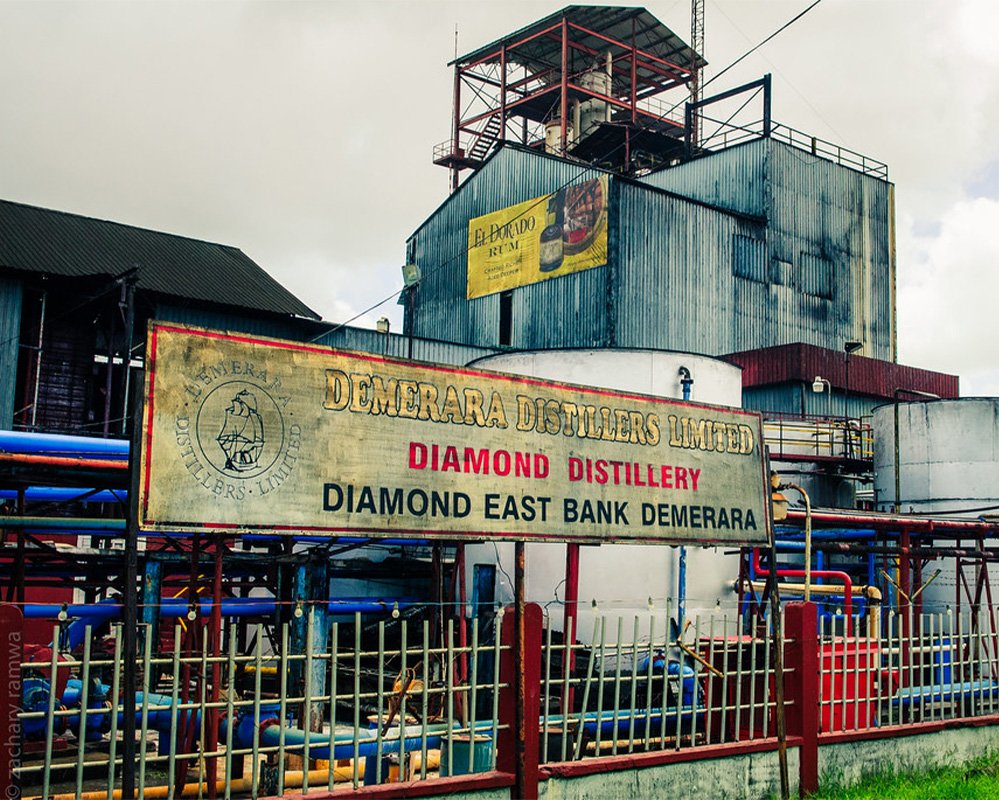
Situated at Plantation Diamond on the banks of the Demerara River, Demerara Distillers Limited, better known simply as DDL, now stands as the sole surviving distiller in the country and the undisputed custodian of Guyanese rum-making tradition. Formed in 1983 following a final round of industry mergers, DDL essentially operates as a living museum of rum production, except one that runs at genuine full industrial capacity rather than sitting behind glass.
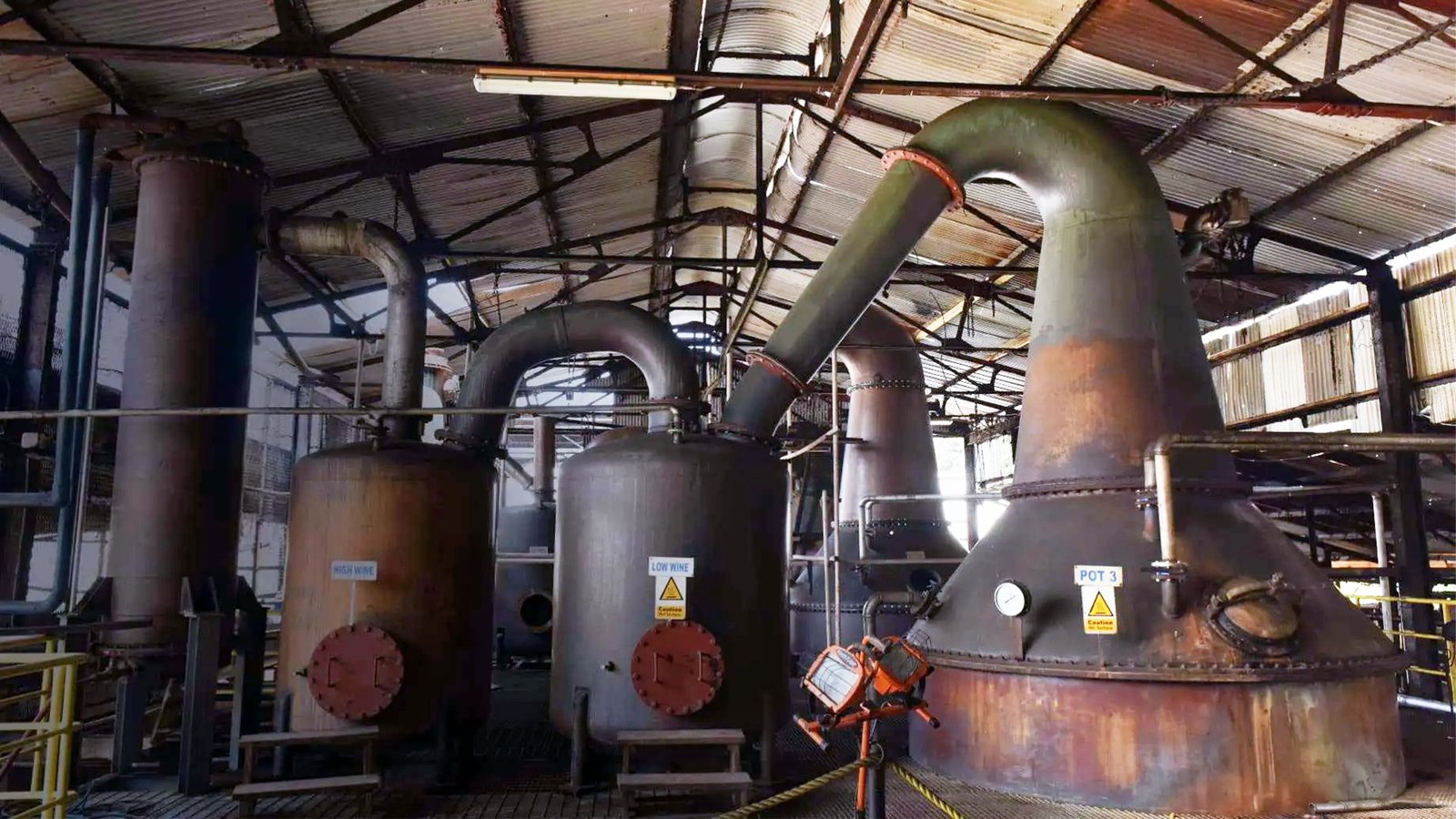
What truly sets DDL apart, though, is its extraordinary collection of heritage stills. In total, the distillery operates nine different stills, yet three wooden examples, each crafted from native Guyanese Greenheart wood, count as the genuine crown jewels of the entire operation.
The Port Mourant Double Wooden Pot Still
First among these treasures, the Port Mourant still dates all the way back to 1732, making it a genuinely ancient piece of working industrial history. This particular still produces an incredibly heavy, oily, and intensely flavourful distillate, and historically, it formed the backbone of the British Royal Navy’s rum ration, supplying sailors with a spirit robust enough to survive long voyages at sea.
The Versailles Single Wooden Pot Still
Meanwhile, the Versailles still, itself well over 150 years old, produces something rather different: a lighter-bodied spirit, though still deeply complex, carrying smoky and floral notes that set it apart from its heavier Port Mourant cousin. Together, these two pot stills demonstrate just how much variation Guyana’s wooden stills can produce, even when working from similar base ingredients.
The Enmore Wooden Coffey Still
Finally, built in 1880, the Enmore still holds a particularly special distinction: it stands today as the world’s last operating wooden column still. Given that column stills typically get built from metal in the modern era, this wooden survivor offers a genuinely unique link back to an earlier chapter of distilling history, one that few other rum-producing nations can claim.
El Dorado Rum: Guyana’s Global Brand
Using 100% Demerara molasses alongside its own carefully cultured yeast strains, DDL produces the internationally acclaimed El Dorado range, spanning everything from the versatile, accessible 3-year-old expression right through to the luxurious, much-sought-after 25-year-old. Because the distillery blends output from multiple stills, including those legendary wooden ones, each El Dorado expression carries genuine complexity and depth that’s difficult to replicate elsewhere.
Beyond its own bottled range, though, DDL also produces a substantial volume of bulk rum, and this output quietly provides the rich, flavourful backbone behind countless other rum brands sold around the world. So, even drinkers who’ve never heard of DDL directly have very likely tasted its rum, blended invisibly into other bottles on the shelf.
Why Guyanese Rum Tastes So Distinctive
So, what actually makes Guyanese rum taste so different from rums produced elsewhere in the Caribbean? Largely, it comes down to two factors working together: the mineral-rich Demerara molasses itself, and the unique character imparted by wooden stills. Unlike modern metal stills, wooden stills interact with the spirit in genuinely unique ways, since the wood itself harbours particular microbial cultures built up over decades, sometimes centuries, of continuous use.
As a result, rum distilled through the Port Mourant, Versailles, or Enmore stills develops flavour characteristics that simply cannot be replicated using conventional equipment elsewhere. This explains why Demerara rum enjoys such a devoted following among serious rum enthusiasts and why bartenders around the world specifically seek it out for classic tiki cocktails, where its heavy, molasses-forward character adds genuine depth that lighter rums simply can’t match.
Demerara Rum and the World of Tiki Cocktails
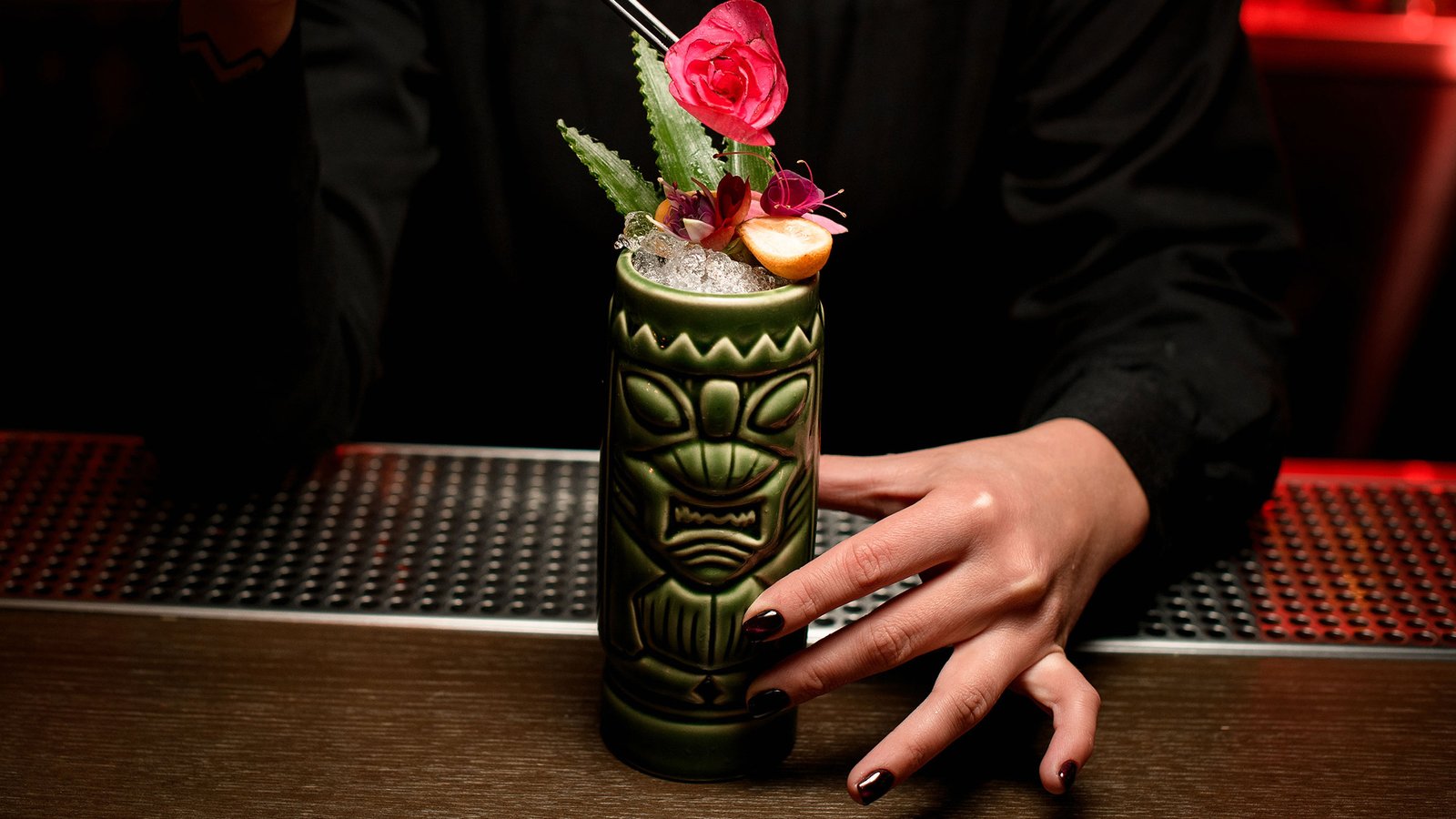
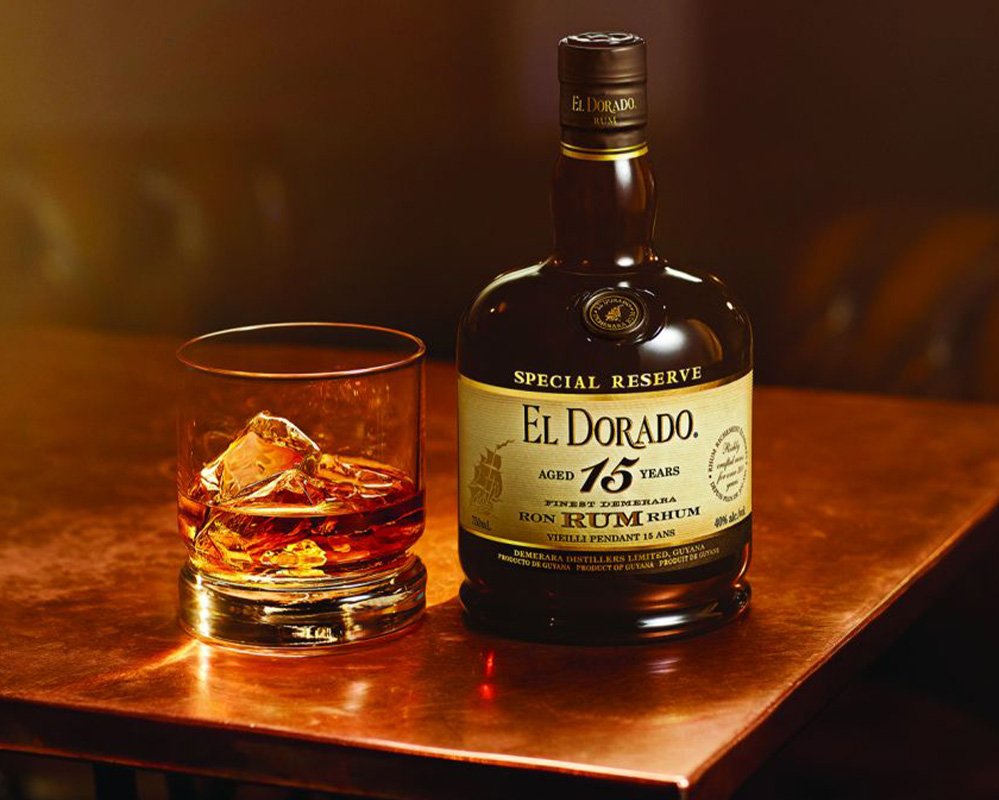
Interestingly, Demerara rum holds a particularly cherished place within the world of tiki cocktail culture. Classic tiki drinks, think Mai Tais, Zombies, and Navy Grogs, often call specifically for a rich, heavy rum to anchor the whole drink, and Demerara rum fits that role perfectly. Because it carries such pronounced molasses character alongside genuine complexity from those wooden stills, bartenders frequently reach for it when they want a cocktail’s base spirit to stand up confidently against citrus, spice, and other bold tropical flavours.
In fact, many classic tiki recipes from the mid-20th century specifically name Demerara rum as an ingredient, a testament to just how highly early cocktail pioneers regarded Guyana’s distilling tradition even decades ago. Today, that reputation hasn’t faded in the slightest; if anything, the modern craft cocktail revival has only deepened appreciation for what Demerara rum brings to a glass. Bartenders and home enthusiasts alike continue seeking it out specifically, rather than treating it as an interchangeable substitute for any other dark rum on the shelf.
The Wider El Dorado Range Explained
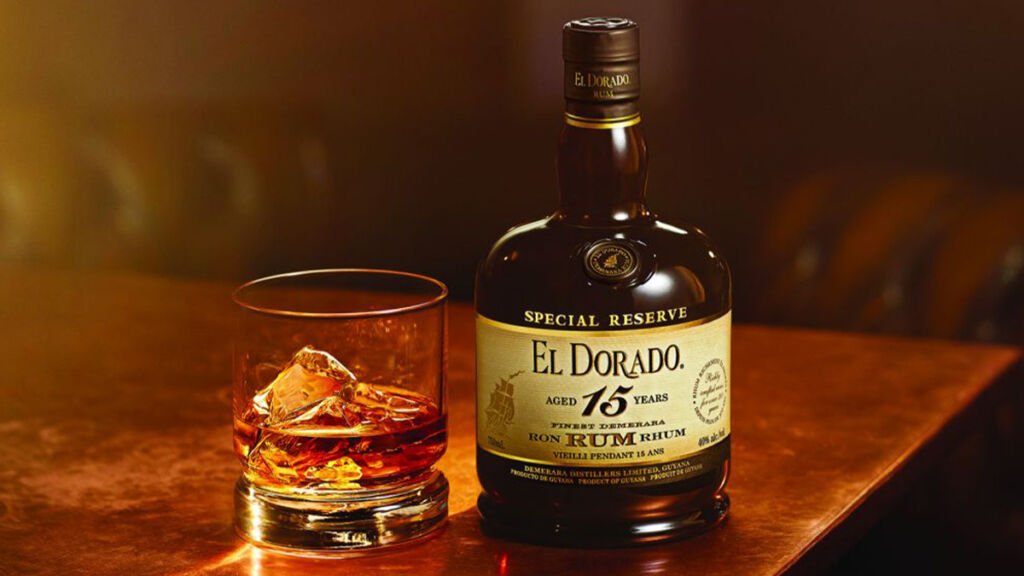
Beyond the well-known 3-year-old and 25-year-old expressions, DDL’s El Dorado range actually spans a considerable variety of ages and styles, giving drinkers plenty of room to explore. The 5-year-old and 8-year-old expressions, for instance, offer excellent entry points for newcomers, providing rich, approachable flavour without the premium price tag attached to the older releases. Meanwhile, the 12-year-old and 15-year-old expressions strike a particularly popular balance between complexity and value, and they frequently appear on the shelves of well-stocked bars worldwide.
At the very top of the range, limited-edition releases and single-still bottlings allow serious collectors to experience the distinct character of individual stills in isolation, rather than as part of a blend. These special releases, often sourced entirely from the Port Mourant or Enmore stills specifically, provide a genuinely educational tasting experience, showcasing exactly how much character a single, centuries-old piece of equipment can contribute to a finished spirit.
Ultimately, Guyana’s rum story represents something genuinely rare in the spirits world: a living connection to centuries-old production methods that somehow survived industry consolidation, economic upheaval, and the passage of time. From the Dutch canal builders who first made sugarcane cultivation possible, through hundreds of individual estate distilleries, right down to the three surviving wooden stills working away today at Plantation Diamond, Guyanese rum carries an unbroken thread of history in every single bottle.
Buy El Dorado Rum Online
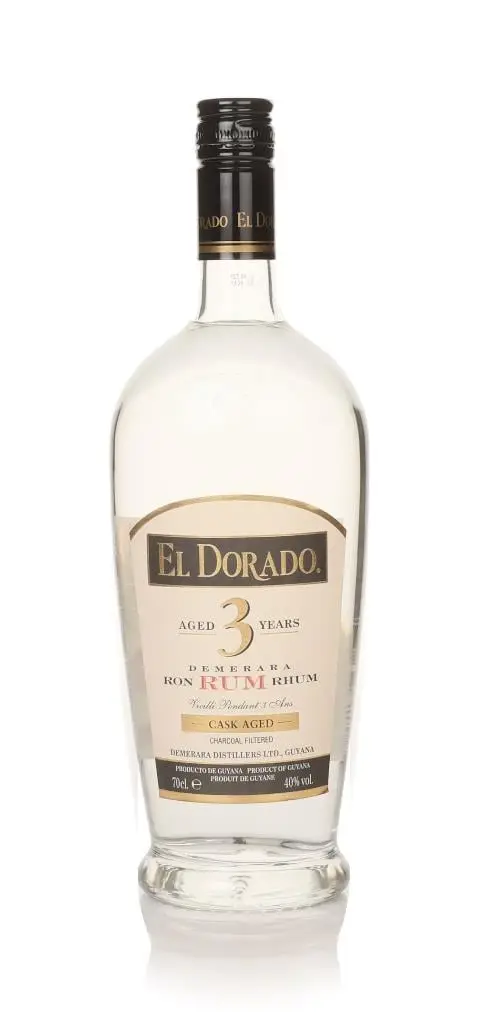 El Dorado3 Year Old White Rum
White rum | Guyana | 40% ABV | 70cl
£26.00
View at Master of Malt El Dorado8 Year Old Rum
Dark rum | Guyana | 40% ABV | 70cl
£33.00
View at Master of Malt El Dorado12 Year Old Rum
Dark rum | Guyana | 40% ABV | 70cl
£41.25
View at Master of Malt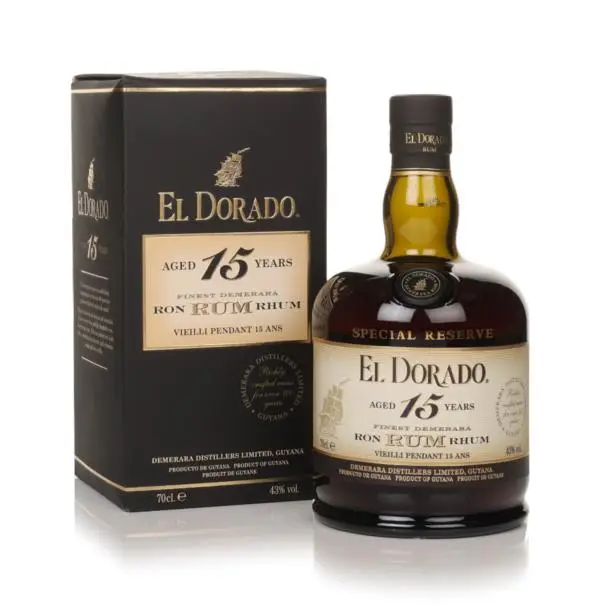 El Dorado15 Year Old Rum
Dark rum | Guyana | 43% ABV | 70cl
£57.90 Original price was: £57.90.£47.90Current price is: £47.90.
 El Dorado21 Year Old Special Reserve Rum
Dark rum | Guyana | 43% ABV | 70cl
£119.95 Original price was: £119.95.£89.95Current price is: £89.95.
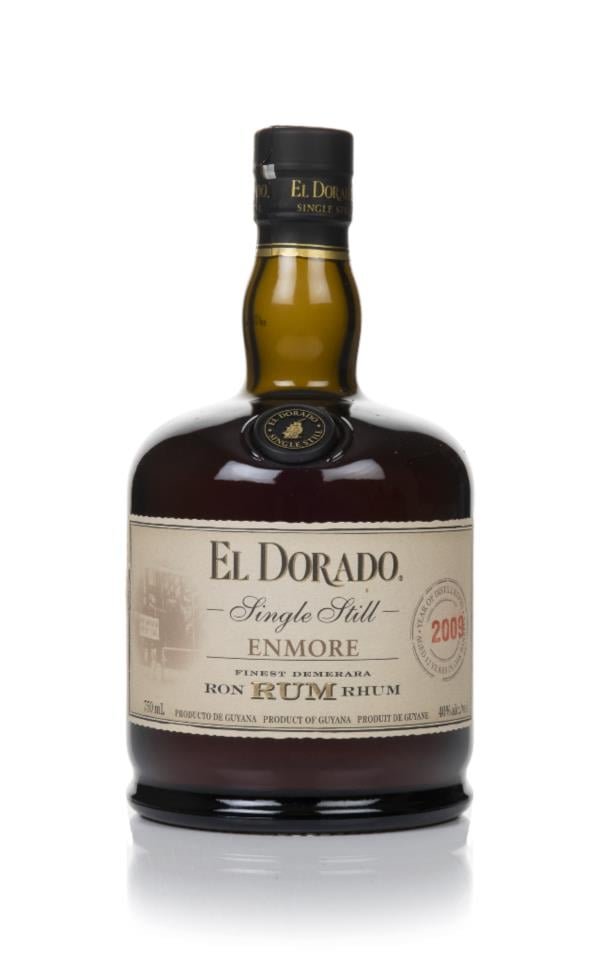 El DoradoSingle Still - Enmore 2009 Rum
Dark rum | Guyana | 40% ABV | 70cl
£90.31
View at Master of Malt El DoradoSingle Still - Versailles 2009 Rum
Dark rum | Guyana | 40% ABV | 70cl
£93.95
View at Master of Malt El Dorado25 Year Old 1998 Grand Special Reserve Rum
Dark rum | Guyana | 43% ABV | 70cl
£548.95
View at Master of MaltThis post contains affiliate links. We may earn a commission if you buy, at no extra cost to you.