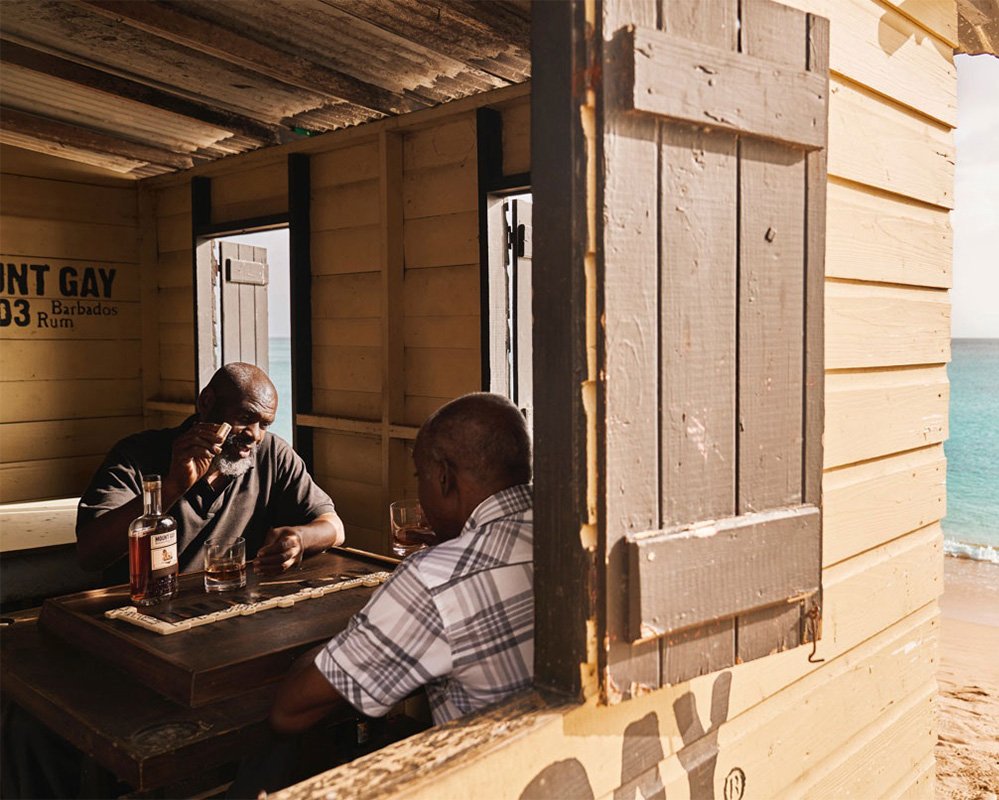
Where it all began....
Barbados, known for its pristine beaches and vibrant culture, carries a rich history that ties closely to the production of one of the world’s most beloved spirits: rum. Certainly, the story of rum in Barbados unfolds as a captivating tale that spans centuries, shaped by trade, colonial influences, and a genuine commitment to craftsmanship. Today, the island boasts several distilleries, and each one contributes something unique to the legacy of Barbadian rum, from historic estates dating back hundreds of years to newer operations pushing the category in exciting directions.
So, grab a glass, settle in, and let’s take a relaxed wander through the island’s rum story, from its humble beginnings in the sugarcane fields to its status as a genuine global icon admired by drinkers and connoisseurs alike.
The Birth of Barbados Rum: 17th Century Origins
Notably, rum production in Barbados dates back to the 17th century, a period when the sugarcane industry flourished across the island. Essentially, planters soon realised that molasses, a by-product of sugar production, could be fermented and distilled into a potent spirit. This discovery marked the birth of Barbados rum, and it set the stage for an industry that would go on to thrive for generations.
Barbados is widely regarded as the birthplace of rum itself. Early settlers stumbled upon the distillation process almost by accident, since they needed a practical use for the leftover molasses that sugar production generated in huge quantities. Rather than letting it go to waste, enterprising planters fermented it, distilled it, and discovered something genuinely remarkable in the process: a spirit with real character and warmth.
Naturally, word of this new spirit spread quickly across the Caribbean and beyond. Then, sailors, traders, and colonists all developed a taste for it, and Barbados soon found itself at the centre of a rapidly growing industry. Because the island’s climate and soil suited sugarcane cultivation so well, planters had every incentive to expand production, and they did so with real enthusiasm.
The Colonial Era: How Barbados Became a Rum Powerhouse
During the colonial era, Barbados became a genuine hub for rum production. The island’s fertile soil and favourable climate provided an ideal environment for sugarcane cultivation, and as a result, plantations sprouted up across the landscape, fuelling demand for both sugar and rum. So, the rum trade flourished, and rum from Barbados gained a solid reputation for its quality and distinct flavour profile.
The transatlantic slave trade played a significant role in the growth of Barbadian rum. This inhumane, brutal trade saw the exchange of slaves, molasses, and rum between Africa, the Caribbean, and Europe. Barbados became a central node in this trade network, with rum emerging as a lucrative commodity
Naturally, these trade routes connected Barbados to Britain, North America, and other Caribbean islands, and rum quickly became one of the island’s most valuable exports. Merchants shipped it across the Atlantic in wooden barrels, and along the way, something rather wonderful happened: the rum picked up additional character from the wood and the gentle rocking of long sea voyages. Consequently, aged rum began developing a reputation that set it apart from younger, harsher spirits.
Obviously, the plantation economy that powered this growth carried an undeniably dark side. The rum and sugar industries relied heavily on the labour of enslaved Africans, whose forced contribution built the foundations of Barbados’ colonial wealth. Any honest telling of this history has to acknowledge that painful legacy alongside the industry’s technical and commercial achievements, since the two remain inseparably linked.
Still, as the industry matured, rum became deeply woven into island life. Plantation owners built increasingly sophisticated distilling operations, and skilled distillers began refining their techniques generation after generation. By the late 17th century, Barbados rum had already earned a reputation that stretched well beyond the Caribbean, reaching drinkers in Britain and the American colonies alike.
Perfecting the Craft: Pot Stills, Oak Barrels and Bajan Techniques
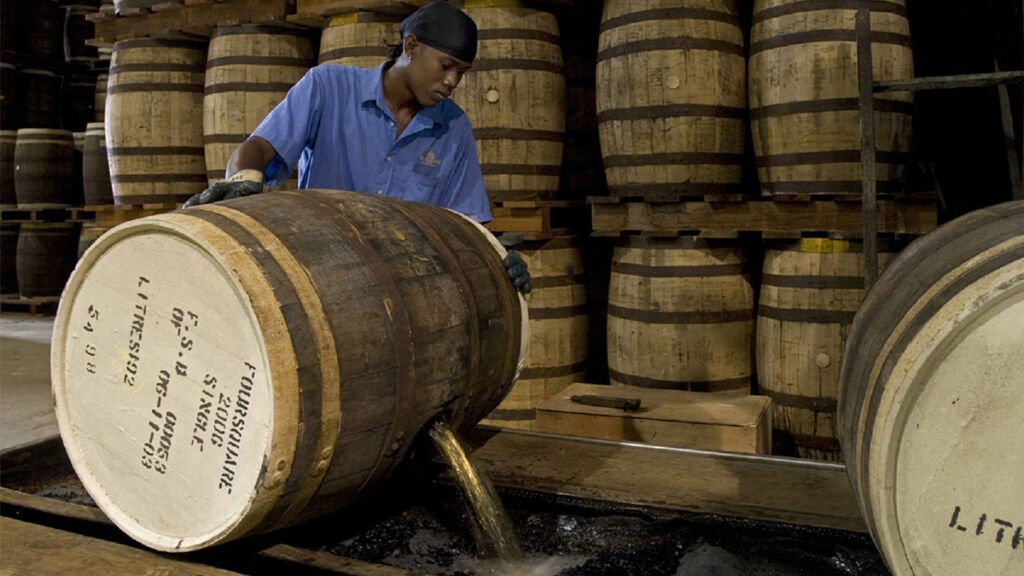
As rum became increasingly ingrained in Bajan culture, distillers naturally started experimenting with production techniques. Notably, the introduction of pot stills, alongside the use of oak barrels for ageing, enhanced both the quality and complexity of Barbadian rum considerably. Over time, each distillery developed its own unique methods, and this variety contributes directly to the diversity of flavours you’ll find in rums from Barbados today.
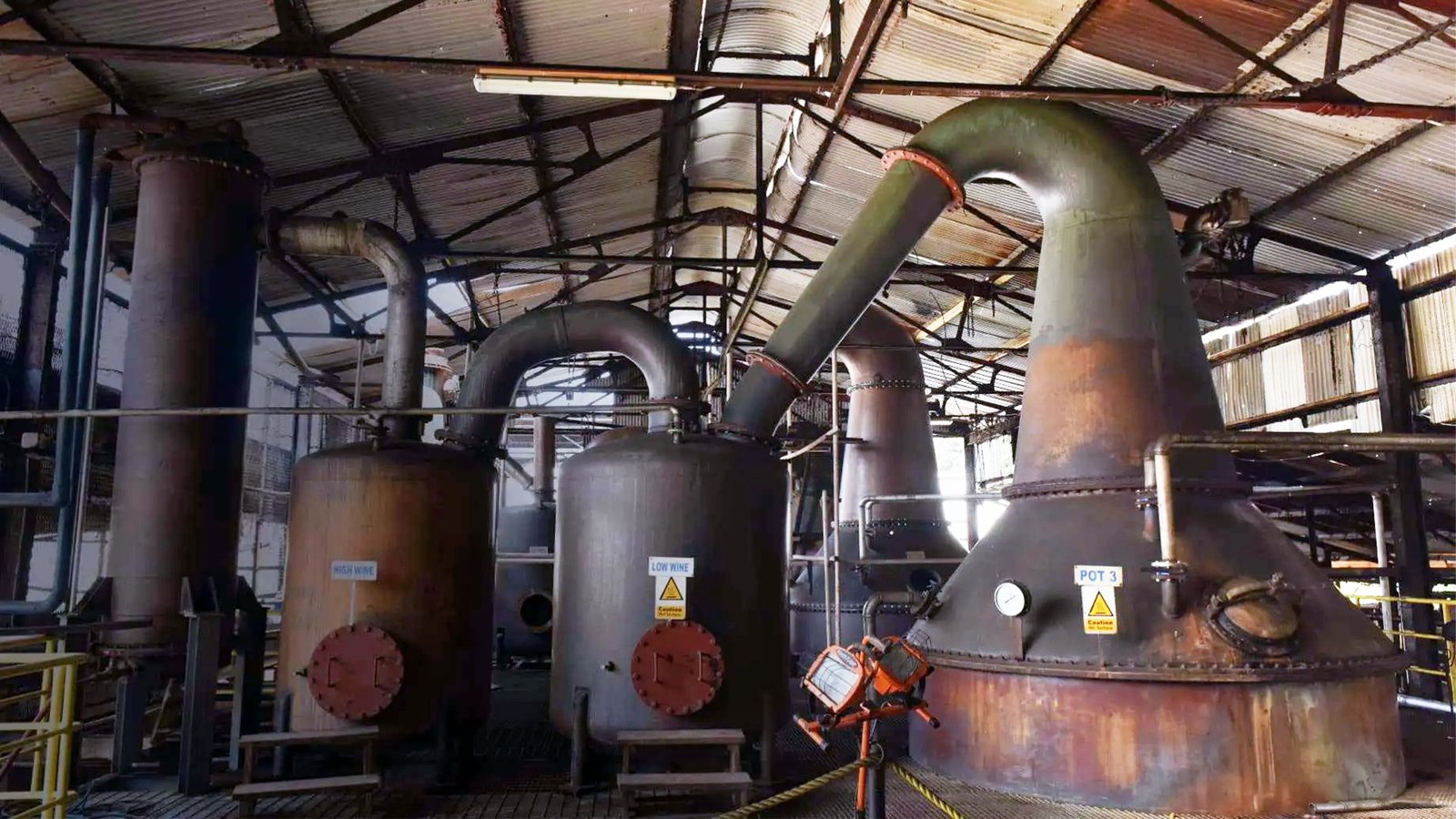
Pot stills, in particular, played a genuinely transformative role. Unlike the more industrial column stills that some regions favoured, pot stills allowed distillers to retain more of the rum’s natural character, capturing subtle flavour compounds that a more aggressive distillation process might otherwise strip away. As a result, Barbadian rum developed a reputation for balance: rich enough to satisfy serious sipping, yet smooth enough to work beautifully in a cocktail.
Meanwhile, oak barrel ageing added another layer of complexity entirely. Distillers discovered that resting rum in oak, often barrels that had previously held bourbon or sherry, imparted warm notes of vanilla, caramel, and toasted wood. Because Barbados enjoys a warm, tropical climate, rum ages considerably faster there than it does in cooler regions such as Scotland. In fact, many experts estimate that a year of tropical ageing in Barbados produces roughly the same maturation as two or three years in a cooler climate, thanks to the intense heat and humidity accelerating the interaction between spirit and wood.
Furthermore, distillers began experimenting with blending techniques, carefully combining rums of different ages and characters to create balanced, layered final products. This blending tradition remains central to Barbadian rum production today, and it’s precisely why so many Bajan rums taste so remarkably smooth and well-rounded compared with spirits from other regions.

The 20th Century Slump and the Craft Rum Revival
The 20th century, however, brought genuine challenges to the Barbadian rum industry. Economic shifts and changes in global tastes led to a noticeable decline in demand, and for a while, the industry’s future looked genuinely uncertain. Cheaper, mass-produced spirits flooded international markets, and many smaller distilleries struggled to compete on price alone.
However, a renewed interest in craft spirits over recent decades has sparked a genuine resurgence. Indeed, drinkers around the world began seeking out authenticity, heritage, and quality over sheer volume, and Barbados, with its centuries of distilling expertise, found itself perfectly positioned to meet that demand. Distilleries, both old and new, embraced innovation while carefully preserving traditional methods, thereby ensuring that Bajan rum remains a genuine global treasure.
This revival didn’t happen by accident. Distillers invested heavily in quality control, experimented with premium ageing techniques, and told the story of their heritage more confidently than ever before. Consequently, Barbados rum began appearing on the shelves of high-end bars and specialist retailers worldwide, appreciated by a new generation of drinkers who genuinely cared about provenance and craftsmanship.
Barbados’ Legendary Distilleries Today
Several distilleries now anchor the island’s rum industry, each bringing its own distinct personality to the category.
Mount Gay Rum, founded in 1703, holds the title of the world’s oldest rum brand still in continuous production. Located in the north of the island, Mount Gay built its reputation on meticulous craftsmanship, and its rums carry warm notes of banana, vanilla, and toasted oak that reflect decades of blending expertise.
Foursquare Rum Distillery, meanwhile, has earned a reputation among connoisseurs as one of the finest rum producers in the entire world. Foursquare focuses heavily on transparency, natural production methods, and exceptional ageing, and its releases regularly win international awards for quality and complexity.
St Nicholas Abbey, a beautifully preserved 17th-century plantation, produces small-batch rum using traditional methods on-site, offering visitors a genuinely immersive glimpse into the island’s colonial-era distilling heritage.
West Indies Rum Distillery (WIRD), one of the largest rum producers in the Caribbean, supplies base rum to numerous international brands while also bottling its own excellent expressions under various labels.
Together, these distilleries showcase the sheer breadth of what Barbadian rum can offer, from accessible, easy-sipping classics to complex, limited-edition expressions that command high prices among collectors.
Innovation and Sustainability: The Future of Bajan Rum
Modern distilleries in Barbados aren’t just preserving tradition; they’re also embracing genuine innovation and sustainability. From experimenting with exotic cask finishes, such as sherry, port, and even wine barrels, to implementing eco-friendly practices across their operations, the Barbadian rum industry continues evolving while staying true to its roots.
For instance, several distilleries now invest in renewable energy, water conservation, and waste reduction initiatives, recognising that long-term success depends on protecting the very environment that makes Barbadian sugarcane, and therefore Barbadian rum, so special in the first place. Others experiment with regenerative farming practices, aiming to reduce the environmental footprint of sugarcane cultivation while actually improving soil health over time.
Meanwhile, on the flavour side, distillers continue pushing creative boundaries. Limited-edition releases finished in unusual casks have become genuinely popular among enthusiasts, offering fresh takes on classic profiles without abandoning the traditional techniques that make Barbadian rum so distinctive in the first place. So, whether you prefer a rum aged purely in ex-bourbon barrels or one finished briefly in a sherry cask for extra richness, Barbados almost certainly has something that will suit your palate.
Rum and Bajan Culture: More Than Just a Drink
Beyond the distilleries and export figures, rum genuinely runs through the everyday fabric of Barbadian life. Locals often refer to rum shops, small, informal establishments scattered across the island, as the true heartbeat of Bajan social life. In fact, Barbados reportedly has more rum shops per square mile than almost anywhere else in the world, and each one serves as a gathering place where neighbours catch up, share stories, and unwind after a long day.
Rum also plays a starring role in the island’s culinary traditions. Cooks use it in marinades, sauces, and desserts, and no proper Bajan celebration feels complete without a rum punch or two doing the rounds. The classic Bajan rum punch, built on the simple rhyme “one of sour, two of sweet, three of strong, four of weak,” blends lime juice, sugar syrup, rum, and water into a refreshing, well-balanced drink that perfectly captures the island’s laid-back spirit.
Festivals and cultural events across Barbados frequently celebrate rum too. The Barbados Food & Rum Festival, for example, draws visitors from around the world eager to sample the island’s culinary and distilling talents side by side. Chefs and mixologists collaborate on inventive menus, distillers host tastings and masterclasses, and the whole event serves as a joyful celebration of everything that makes Barbadian rum so special.
Rum also holds genuine ceremonial importance. Bajans traditionally pour a small libation of rum onto the ground during significant occasions, weddings, funerals, and other milestones, as a mark of respect and remembrance. This practice, rooted in West African traditions brought to the island generations ago, highlights just how deeply rum connects to Barbadian identity, culture, and history, extending far beyond its role as a simple commercial product.
Ultimately, the story of Barbados rum reflects the island itself: resilient, proud, and endlessly creative. From its accidental 17th-century origins in the sugarcane fields to its current status as a genuinely respected global spirit, Barbadian rum has weathered colonial upheaval, economic decline, and shifting consumer tastes, and it has emerged stronger each time, carrying its history proudly with every bottle.
Buy Barbados Rum Online
 Ron CaladosRum
Dark rum | Barbados | 37.5% ABV | 70cl
£16.29
View at Master of Malt Cut RumCut Spiced Rum
Spiced rum | Barbados | 37.5% ABV | 70cl
£26.28
View at Master of Malt Planteray5 Year Old Barbados Rum
Dark rum | Barbados | 40% ABV | 70cl
£32.49
View at Master of Malt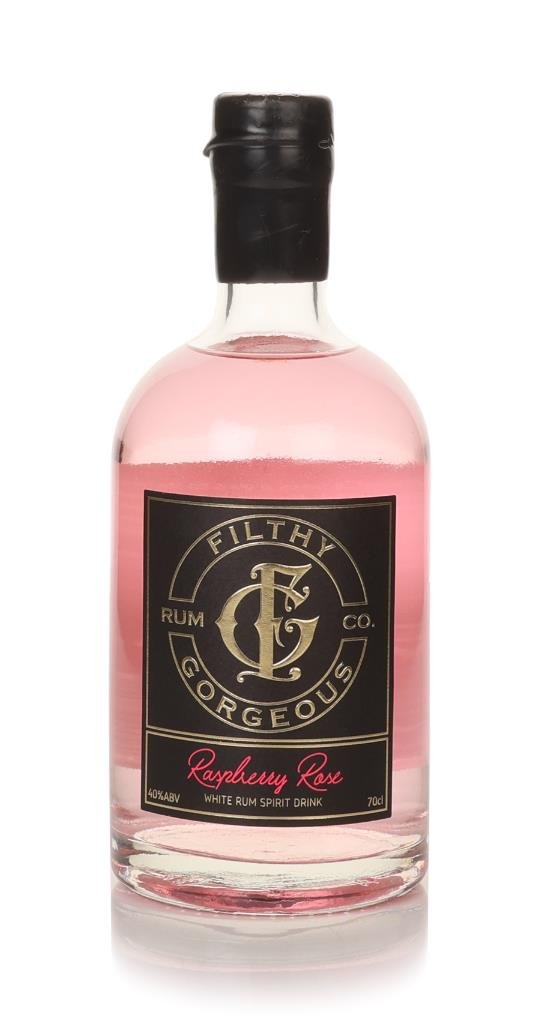 Filthy Gorgeous Rum Co.Raspberry Rose White
Flavoured rum | Barbados | 40% ABV | 70cl
£36.50
View at Master of Malt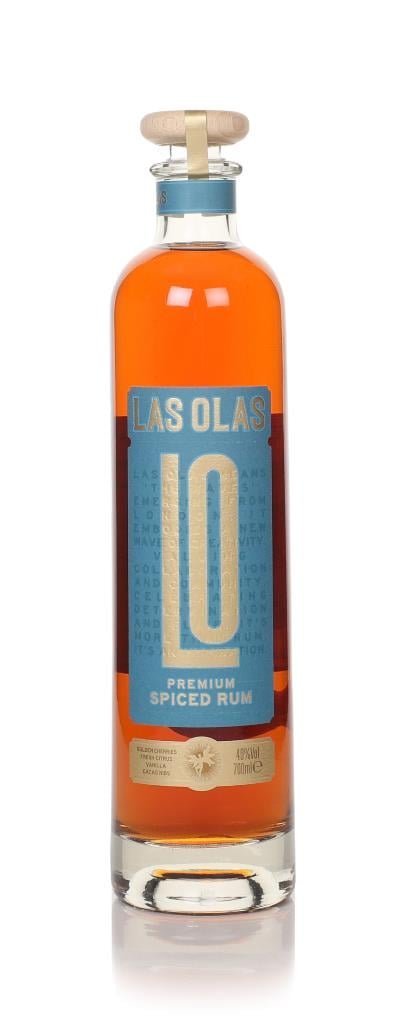 Las OlasPremium Spiced Rum
Spiced rum | Barbados | 40% ABV | 70cl
£41.49
View at Master of Malt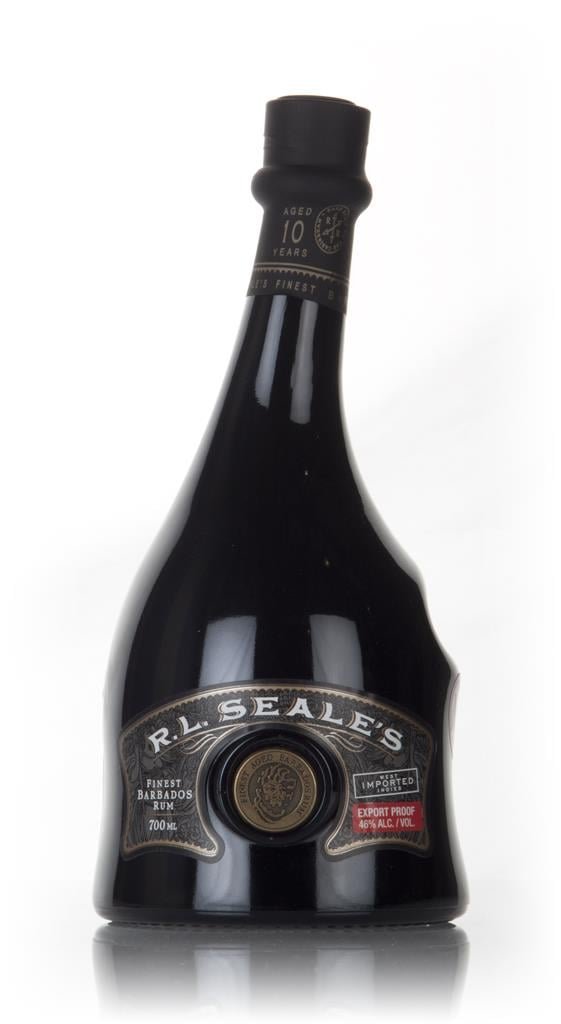 R L SealesR L Seale's 10 Year Old Rum
Dark rum | Barbados | 46% ABV | 70cl
£52.08
View at Master of Malt St. Nicholas AbbeySt Nicholas Abbey Overproof White Rum
White rum | Barbados | 60% ABV | 70cl
£91.50
View at Master of Malt Black TotLast Consignment Rum
Dark rum | Barbados | 54.3% ABV | 70cl
£914.49
View at Master of MaltThis post contains affiliate links. We may earn a commission if you buy, at no extra cost to you.