Getting to the bottom of Botanical Rum.
Rum styles are defined by category: white rum, dark rum, golden rum, spiced rum. However, the creativity behind spirit production means that categories are always evolving, and whilst some may be set, variations that don’t fit lead to new categories emerging. A lot of this happens through spirits competitions. Being a spirit judge, I regularly bear witness to and participate in discussions about whether the spirit is doing what it’s meant to be and whether it ticks the boxes to be in the category it is being judged in. Over the years I’ve seen odd ideas come through and not amount to much. And then, there are others, maybe one or two one year, a handful the next year and more the year after that,-and before you know it, there’s enough to state a new category either by production definition or flavour style. In recent years, there is one newly emerging category that has made strides on the scene, and that is botanical rum.
What Is Botanical Rum?
The category of botanical rum, for me at least, seems to have been born from the rise of UK rum distilling, though I’m sure there were examples of the style before this. The reason I say this is that it bears a striking resemblance to gin. Why is this? Well, UK rum is a different beast to more traditional rum production, partly due to climate (tropical ageing means spirits age three times faster, so get more flavour quicker). And gin’s rise to success has many factors, but one certainly is the locality of a gin, with branding based on a local history, or local botanicals. People got into this in the geekiest way, and it meant a massive market for gins, as each one had its own identity and sense of terroir. As the UK rum scene has developed, it has naturally evolved similarly. So, we’ve seen rums that build their brand around their location…and some began experimenting by distilling their rum with a local botanical or two.
Botanical Rum Examples: Forum Garden, Askival & Market Row
Forum Garden Rum by Portsmouth Distillery is the first example of a botanical rum that I tried, and it blew my mind as it was unique. Their 1968 white rum, which they distil themselves on site, is redistilled twice with botanicals like elderflower, gorse flower, orange peel and lime peel. As they say on their website, ‘it’s a rum that’s made like a gin’. It is a beautiful drop and a pioneering liquid in my experience. They shaped my understanding of botanical rums, laying a path other distilleries would soon follow.
Askival is another good example of a botanical rum inspired by the natural landscape. The rum is made with a blend of five-year-old Caribbean rums, but then it’s given additional character with botanicals and spices that have been foraged from the island where it’s made, the Isle of Rum in Scotland. The botanical list features botanicals like roasted kelp, spruce and meadowsweet to ‘capture the essence of the coastline, forests and glens that define the island’.
In some respects, you could say that a spiced rum is a botanical rum. However, there are some differences between these categories; the most obvious is the particular flavour profile of spiced rum. There are also differences in production. Spiced rum is often made with rum, or a rum blend, that then has the spices macerated into it, which means leaving them to soak. The result I tend to find is that these rums are a little lower in ABV, and technically lower than the minimum requirement to be called a ‘rum ‘, which is often a point of contention amongst rum enthusiasts. The liquid also tends to have more viscosity, meaning it is quite thick. There are some fantastic newer examples of spiced rums where the spices are distilled into the rum, with the resulting liquid having less viscosity from this process.

Botanical Rum vs Spiced Rum: How the Distillation Process Differs
When it comes to botanical rums, distillation will be part of the process somewhere. Most commonly, the process is similar to a gin distillation, with the rum being put into a still with botanicals and distilled so the rum comes through, taking on the flavours of those botanicals. It could also be the case that the components are distilled separately and that’s blended with the base rum. If distillation is in there somewhere, it counts.
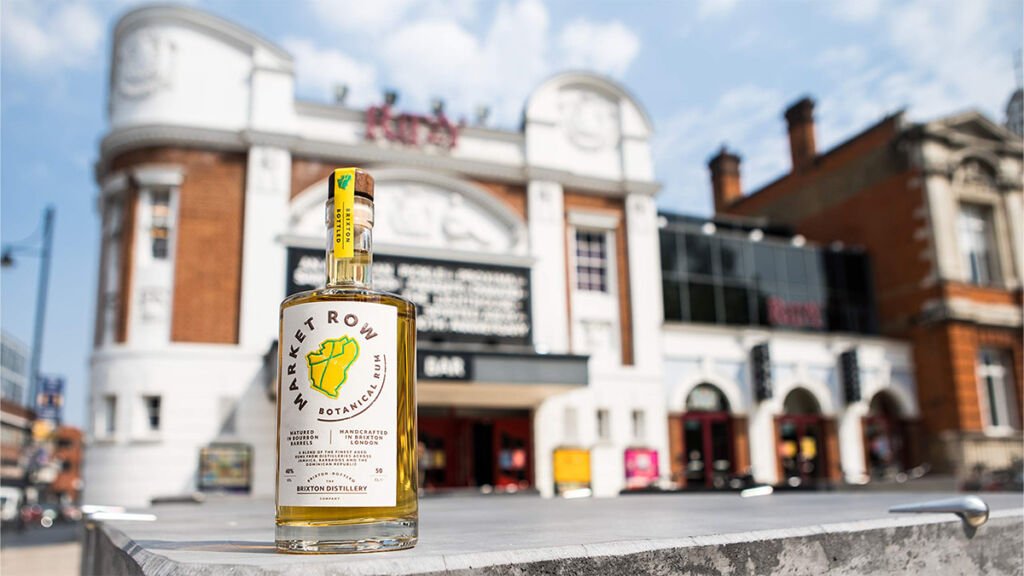
So, what sort of flavour profiles can you expect to find in botanical rums? It depends on where you go. It depends on a lot of things. As Askival takes inspiration from the natural landscape, Market Row Botanical Rum, from Brixton in South London, takes its inspiration from a cultural one.
The rum is a blend of Jamaican, Bajan and Dominican rums which has been infused with black tea, Nigerian hibiscus and red rose from Pakistan. What links this incredible range of flavours? They can all be found around the corner from the distillery in Brixton Market. ‘It’s Caribbean soul with London spirit. It’s Brixton in a bottle.’
Could Botanical Rum Be Rum’s Answer to the Gin Boom?
I’m hoping that the comparison of these examples will demonstrate the huge potential that botanical rum has. It’s really setting a precedent that whatever inspires you can be made into a botanical rum, be it the landscape, markets, history, novels, or the dish your mum used to make. Whatever the idea, you can share the experience with others with a botanical rum. The question over the last few years has been ‘will rum get as big as gin? and I would argue that if it was going to, this may well be the golden ticket.
And I must stress, this does not divert anything away from the rums from traditional origins, a similar statement to one I made in an early article on the rise of UK rum. This is just a development of rum in one direction; when truth be told, rum is developing in many directions. What is likely to happen, though, is that botanical rums will snag the heart of gin lovers who have an interest in rum. And that can act as a gateway for those people to start discovering UK rum (often gentler in profile due to the cooler climate). And eventually they may well meander into the beautiful, punchy, flavoursome rums of more traditional origin, be it the Caribbean, Central America, Africa and so on.
My point is that more people being interested in rum is a good thing. It means more events, more distilleries, more rum! And not only does it inspire new distilleries, but it also creates more interest in existing distilleries. And that means growth and more capacity. It’s a very exciting time for rum right now.
Buy Botanical Rum Online

This post contains affiliate links. We may earn a commission if you buy, at no extra cost to you.