Meet Rum's Older Sibling
There’s a lot of variety out there in the rum world, and some amazing spirits on the outer rims of the rum family. One of my favourites (that I’ve discovered so far at least) is cachaça. Cachaça, pronounced ka-sha-sa, is a spirit not so well known in the UK, but it is actually one of the largest-selling spirits in the world.
Much like baijiu is to China, cachaça is produced and drunk in great quantities in its origin location and has a big following in countries other than the UK, but it is growing in popularity here and for good reason! You may recognise cachaça as the base spirit of the Caipirinha, a drink that has found a home on most half-decent cocktail menus in recent years.
A good bar will make these with cachaça…Although I have come across the odd one that might cut a corner and use white rum. What’s the difference, you may ask? Plenty!
What Is Cachaça? How Is It Made and Where Does It Come From?
Cachaça is made by fermenting and distilling sugarcane juice. Most rum drinkers will be more familiar with rums that are made from molasses, a byproduct of sugarcane production, although sugarcane-based spirits are becoming more well-known now. Agricole, for example, is also becoming more popular and is made from fresh cane juice as opposed to molasses. Using fresh cane is what gives cachaça its brighter, light, grassy and vegetal notes as opposed to the sweetness we associate with molasses.
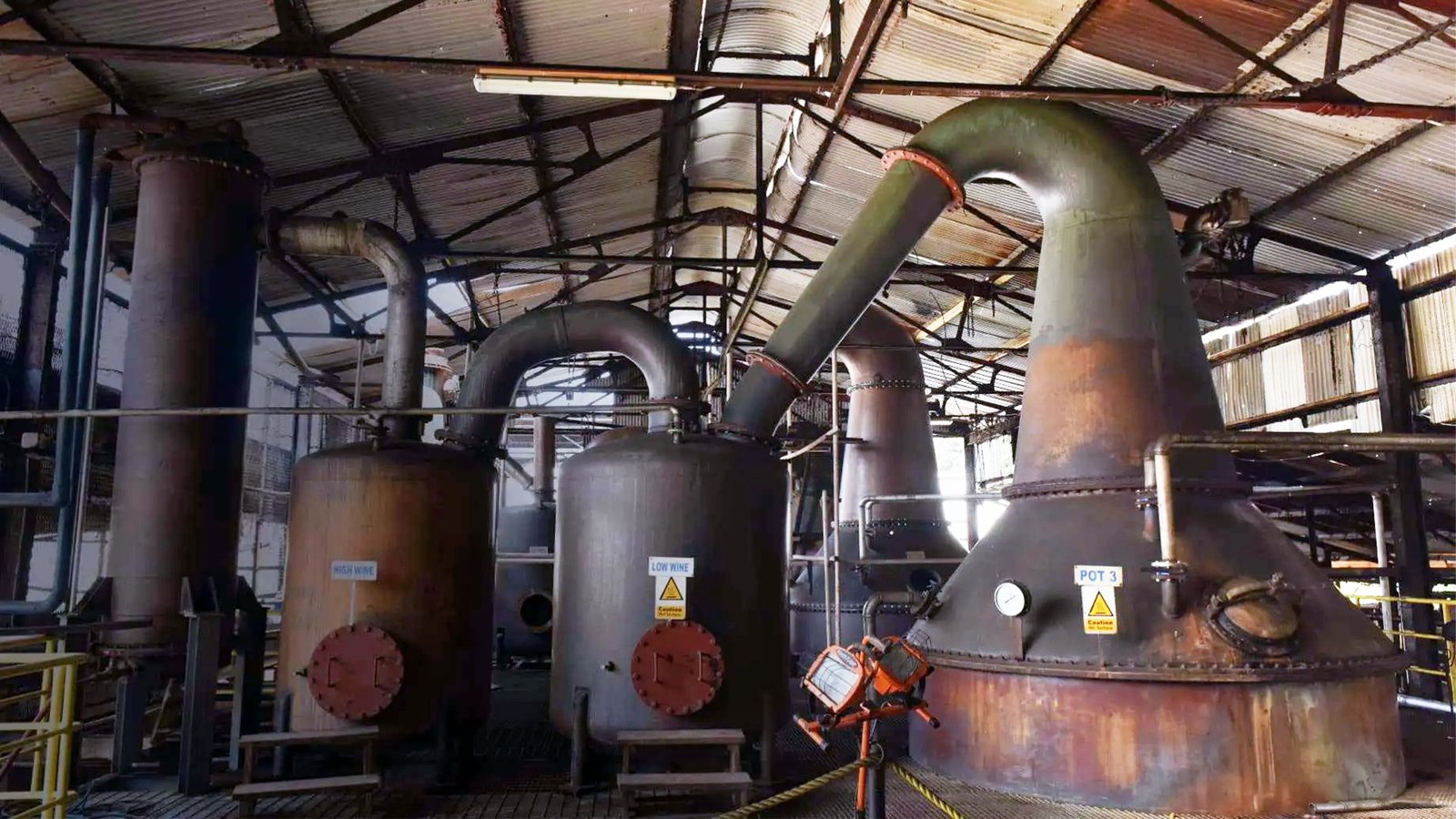
Historically, cachaça production began in Madeira. However, in the 16th century it was moved to Brazil by the Portuguese. Sugar cane spirits were being made in Brazil before the Dutch introduced pot stills for rum distillation. Because of this, cachaça is recognised as ‘rum’s older sibling’.
Previously known as Brazilian Rum, an agreement made between Brazil and the US in 2013 meant that whilst related to rum, cachaça was its own category. Now, it is a protected name. There are terms to meet. It must be produced in Brazil, and it must meet production technicalities such as base material, a minimum of one year of ageing, and be within 38-48% ABV. The distilled clear liquid is smooth, with delightfully intricate sweet and vegetal complexities. Aged cachaça builds on that complexity, often aged in European or American oak and sometimes aged in barrels made from wood native to the rainforests of Brazil. Due to environmental concerns, these sorts of cachacas can be quite hard to find.

From Brazil to the World: The Caipirinha’s Role in Cachaça’s Rise
Due to the rise in popularity of the Caipirinha, a short (but mighty) cocktail made with cachaça, lime and sugar, the spirit began breaking out of Brazil and overseas to other continents. Germany was once one of the largest importers of the Brazilian spirit, mostly due to the Caipirinha, although that has decreased in recent years. This is always a risk with lesser-known spirits, especially ones that need an education to be understood. When I first tried cachaça, the profile was so very different to rum…you need to break away from the idea of sweetness and embrace the grassy tones. It’s a beautiful experience once you get your head around it. Despite this, cachaça is still popular in the German market, and fingers crossed, its popularity will continue to rise because it’s a fantastic spirit!


Native Wood Ageing: Cachaça’s Unique Terroir and Sustainability Challenge
With cachaça production (and most consumption) localised to Brazil, you may think that the profile is limited, but this simply isn’t the case. Brazil is a huge country comprised of many climates and landscapes. This means there is a wide variety of profiles of cachaça to explore. Aged cachaças, which are typically aged in oak barrels today, were historically matured in barrels made from woods native to Brazil. These woods convey the terroir of Brazil’s rainforests and give the spirit its identity. From Araúva, which adds viscosity, oiliness and a floral character, to Jequitibá, which reduces sugarcane pulp. The character of Brazil itself can be imparted into the spirit through time spent ageing in casks. The use of native wood is a unique selling point for cachaça.
Producer Novo Fogo is known for its use of native woods to create compelling spirits which have stand-apart character and simultaneously raise awareness for the troubled ecosystem of the Brazilian rainforest. This isn’t without its complications. The native woods have evolved resilience to humidity, so they are dense and not so good for barrel ageing. And these woods are threatened varieties, so it is not ethical to use them. The thing is, cachaca ages well in European and American oak. The vanilla imparted from wood works well with the evolving flavour. While it’s interesting to taste these older styles, it’s not good for the environment, and that matters more than a drink.
That said, producers like Novo Fogo can offer some of these profiles in their ranges, as they do have a few native wood barrels that were sourced legally, sustainably, and ethically, and they produce a few hundred cases a year “purely for educational purposes”. And wisely, they have also launched a reforestation project, so as well as educating drinkers on the profiles and environmental issues, they are creating funds to make a difference and improve the situation. Just for the record, I’m mentioning Novo Fogo because I love their work with sustainability, and I have been lucky enough to try their entire range. It’s an educational experience for sure.
Getting Started with Cachaça: What to Buy and How to Drink It
Buy Cachaça Online
 Velho BarreiroCachaca White Cachaca
Cachaça | 39% ABV | 70cl
£20.50
View at Master of Malt Companhia Muller de BebidasCachaca 51 White Cachaca
Cachaça | 40% ABV | 70cl
£23.50
View at Master of Malt Velho BarreiroGold Cachaca Gold Cachaca
Cachaça | 39% ABV | 70cl
£25.49
View at Master of Malt AbelhaSilver Cachaca White Cachaca
Cachaça | 39% ABV | 70cl
£29.50
View at Master of Malt GermanaCaetano's Cachaca Gold Cachaca
Cachaça | 40% ABV | 70cl
£33.95
View at Master of Malt Abelha3 Year Old Gold Organic Cachaca Gold Cachaca
Cachaça | 39% ABV | 70cl
£35.99
View at Master of Malt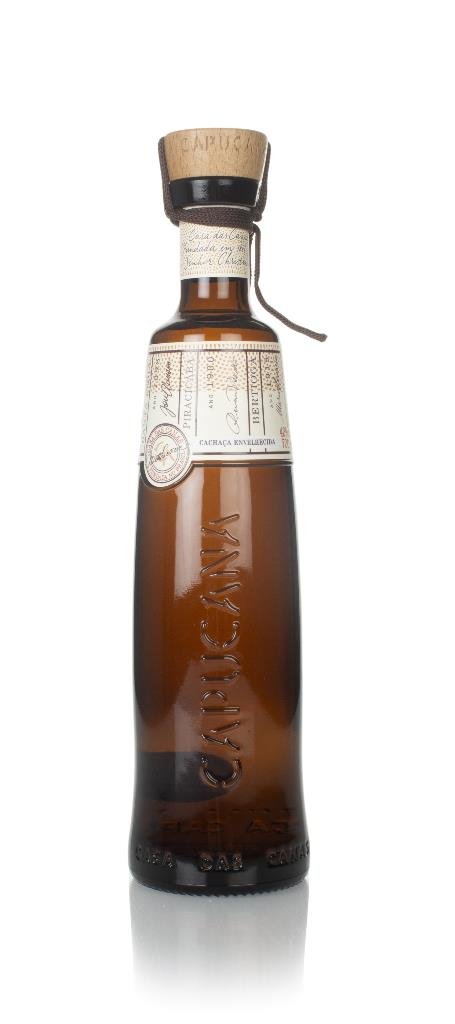 CapuCanaCachaca Gold Cachaca
Cachaça | 42% ABV | 70cl
£45.50
View at Master of Malt GermanaBrasil 5 Year Old Cachaca Gold Cachaca
Cachaça | 40% ABV | 70cl
£53.50
View at Master of MaltThis post contains affiliate links. We may earn a commission if you buy, at no extra cost to you.